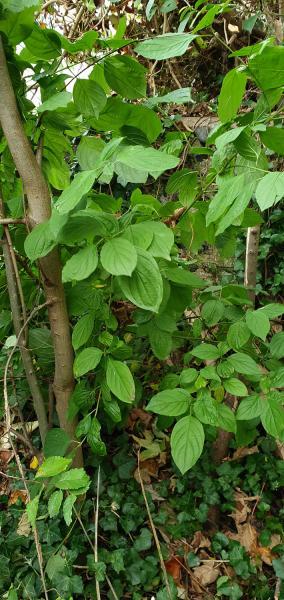
Nucleic multicellular photosynthetic organisms lived in freshwater communities on land as long ago as a thousand million years, and their terrestrial descendants are known from the late Pre-Cambrian 850 million years ago. Embryophyte land plants are known from the mid Ordovician, and land plant structures such as roots and leaves are recognisable in mid Devonian fossils. Seeds seem to have evolved by the late Devonian. The Embryophytes are green land plants that form the bulk of the Earth’s vegetation. They have specialised reproductive organs and nurture the young embryo sporophyte. Most obtain their energy by photosynthesis, using sunlight to synthesise food from Carbon Dioxide and Water.
The earliest known plant group is the Archaeplastida, which were autotrophic. Listing just the surviving descendants, which evolved in turn, we have the Red Algae, the Chlorophyte Green Algae, the Charophyte Green Algae, and then the Embryophyta or land plants. The earliest embryophytes were the Liverworts, followed by the Hornworts, and the Mosses. Then we have the Vascular Plants, the Lycophytes and Ferns, followed by the Spermatophytes or seed plants, the Gnetophytes, Conifers, Ginkgos, and Cycads, and finally the Magnoliophyta (Angiosperms) or flowering plants.